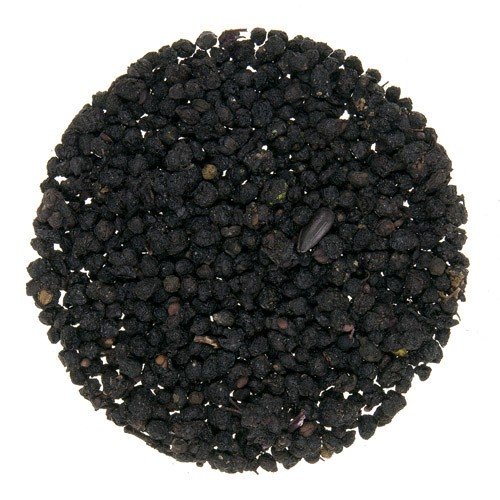
Elderberry's benefits stem from its rich antioxidants and vitamins C and A, which can bolster the immune system and help fight off viruses, potentially reducing cold and flu duration. Its flavonoids have anti-inflammatory properties, offering relief for inflammatory conditions.
The fiber and polyphenols in elderberries act as prebiotics, feeding good gut bacteria, improving the microbiome, and aiding digestion. It may help balance blood sugar and improve fat burning, benefiting metabolic health and potentially aiding diabetes management.
Compounds in elderberry may support heart health by improving cholesterol profiles and reducing lipid oxidation. Antioxidants may also improve skin structure, reducing redness and wrinkles.
From healing to disease prevention, a cup of this elderberry infusion brings a whole heap of goodness to your daily diet. Add honey and cinnamon to make it even more delicious!

Ashwagandha is a medicinal herb long used in Ayurvedic medicine. It’s considered an adaptogen and is associated with a range of benefits for physical and mental well-being. Below is a clear, practical summary of its most notable properties.
Main benefits
Reduces stress and anxiety: Ashwagandha helps the body adapt to stress. Research indicates it can lower cortisol (the stress hormone) and reduce symptoms of anxiety in people experiencing chronic stress.
Improves sleep quality: Many people take ashwagandha to promote relaxation and fall asleep more easily. Certain compounds in the plant appear to affect neurotransmitters involved in sleep, which may lead to more restorative rest.
Supports cognitive function: Evidence suggests ashwagandha can enhance memory, attention, and processing speed. These effects may be particularly helpful during periods of mental fatigue or in mild cognitive decline.
Increases energy and endurance: Ashwagandha is reported to reduce fatigue and boost physical stamina. Athletes and active individuals often use it to improve endurance and post-exercise recovery.
Enhances mood and resilience: By modulating stress responses and brain chemistry, ashwagandha can contribute to improved mood and greater emotional resilience.
Supports immune function: Some studies indicate ashwagandha may strengthen immune responses, possibly by influencing certain immune cells and reducing inflammation.
Promotes hormonal balance and reproductive health: In men, ashwagandha has been linked to improved testosterone levels, sperm quality, and fertility markers. In women, it may help regulate stress-related hormonal imbalances; however, more research is needed.
Anti-inflammatory and antioxidant effects: Ashwagandha contains compounds with anti-inflammatory and antioxidant properties, which may help protect cells from damage and support overall health.
Supports metabolic health: Preliminary research suggests potential benefits for blood sugar regulation, lipid profiles, and body composition when combined with lifestyle measures.
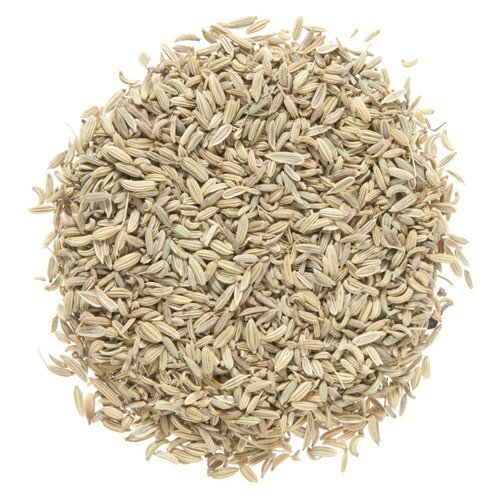
Fennel tea is known for aiding digestion by relieving gas, bloating and cramps, thanks to its antispasmodic and anti-inflammatory properties, relaxing gastrointestinal muscles. It also supports women's health by easing painful periods, PMS, menopause symptoms, and support breast milk production.
Rich in Vitamin C and antioxidants, fennel seeds offer antibacterial and antifungal properties and boost immunity. Fennel tea promotes relaxation and improves sleep quality, and its antispasmodic effects offer potential respiratory benefits.
Don’t throw away the seeds after drinking tea. Fennel can be chewed after meals to aid digestion and freshen breath!
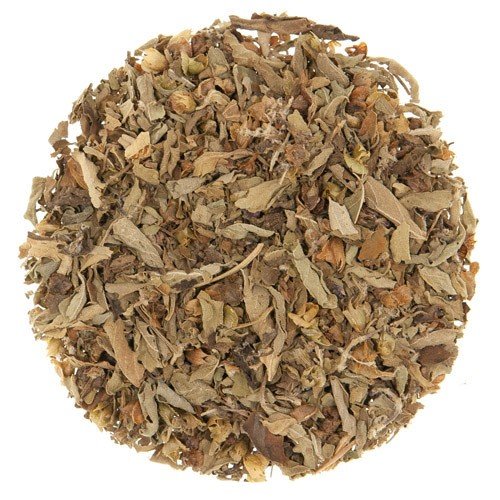
Tulsi tea, made from the holy basil plant, is a powerful adaptogenic herb revered in Ayurvedic medicine for over 5,000 years. It is naturally caffeine-free and offers a wide array of potential health benefits by helping the body manage various physical, metabolic, and psychological stressors.
As an adaptogen, tulsi helps regulate stress hormones levels, promoting a sense of calm, mental balance, and improved mood. It can help alleviate symptoms of anxiety, depression, and fatigue.
Rich in antioxidants and essential nutrients like Vitamin C and zinc, tulsi strengthens the immune system and offers broad-spectrum antimicrobial activity against bacteria, viruses, and fungi, helping to ward off infections and support recovery from common colds and flu.
The compounds eugenol, camphene, and cineole found in tulsi act as expectorants, helping to clear congestion, open airways, and manage conditions like asthma and bronchitis.
Studies suggest that tulsi may help regulate blood glucose levels and improve insulin sensitivity, making it beneficial for those with diabetes or metabolic syndrome. It may also help lower bad cholesterol and blood pressure, supporting overall cardiovascular health.
Tulsi is high in antioxidants and anti-inflammatory compounds that combat oxidative stress and reduce inflammation throughout the body, which is linked to various chronic diseases. It can support healthy digestion by soothing the stomach, reducing inflammation in the gut, and alleviating issues like gas, bloating, and nausea.
The antimicrobial properties of tulsi can help fight bacteria in the mouth that cause bad breath, cavities, and plaque buildup. Its antibacterial and anti-inflammatory properties can help prevent acne and other skin infections. It can even stimulate blood circulation in the scalp to promote hair growth!
Here at Teas and Love, we are big fans of this mighty adaptogenic herb. You must try it for yourself! It will leave your tongue tingling with a lemon zest finish.
No results match your search. Try removing a few filters.
